A woman in Nampa stopped us on the front walk before we'd carried out a single box. She wasn't asking about the smell, or how long we'd be there. She wanted to know if a residential hoarding cleanup means everything she owns ends up in a dumpster.
Fair question. It's the one we hear most.
Most people picture a crew backing a truck up to the house and shoveling forty years into it. That's not how we work, and it's not how most of these jobs actually go.
Here's what really happens to the things that come out of a home.
Sorting comes first, and it takes longer than the hauling
Before anything leaves, it gets looked at. Every bag, every stack, every drawer. Not skimmed. Opened.
That sounds like overkill until you've found a passport in a cereal box, or a wedding ring rolled inside a sock, inside a bag of other socks.
People hide important things in ordinary containers. Sometimes on purpose. Sometimes a safe spot just got buried under six months of mail.
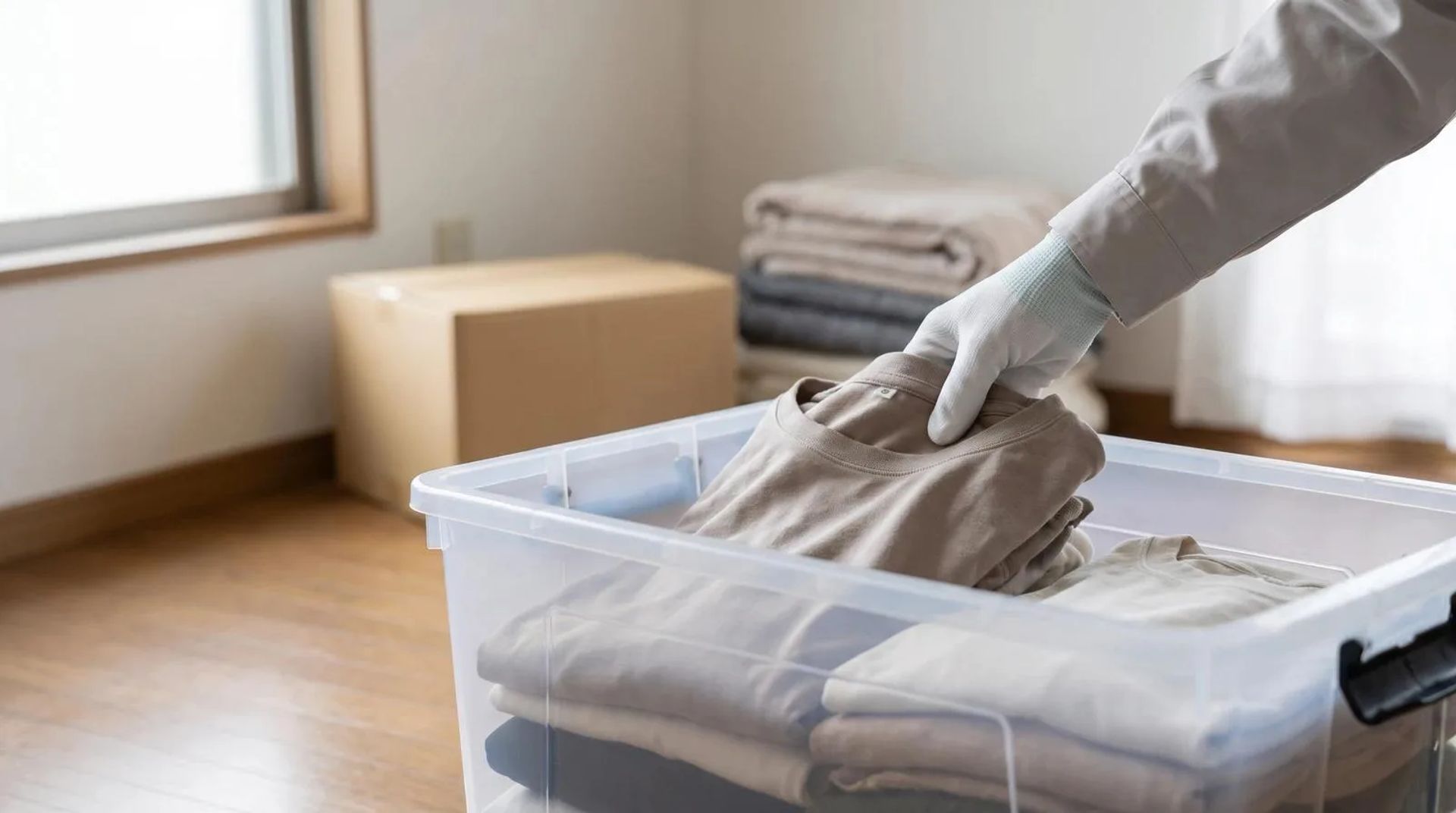
So we sort into four rough piles: keep, donate, recycle, trash. The homeowner or the family decides what "keep" means. We don't.
That last part surprises people. We're not there to make calls about somebody else's belongings.
If you tell us the newspapers stay, the newspapers stay. There's almost always enough room to make a house safe and livable again without anyone losing something that matters to them.
Sorting is the slow part, too. One bedroom in a packed Boise bungalow can eat most of a day before a thing gets carried out.
A full home in Meridian, or out along the Ten Mile corridor, usually runs three to five days start to finish. More than half of that is sorting, not hauling.
Tip: Before we start, name three to five things you'd want found — cash, jewelry, photos, documents, medications. That turns a vague search into a real one, and it gives you something to focus on instead of trying to make a decision about every object in the house.
What actually gets donated in a residential hoarding cleanup
More than most people expect. Clothing that's clean and intact, solid furniture, kitchen goods, unopened household supplies, books, tools, craft supplies.
The Treasure Valley has decent options for this. Idaho Youth Ranch, Deseret Industries, the smaller thrift stores, church pantries in Nampa and Caldwell that take specific categories.
What won't get taken? Anything with mold, water damage, rodent contamination, or a smell that won't come out.
Upholstered furniture is usually a no if it's been sitting in a damp basement. Most places also turn down mattresses, older cribs, and the big tube TVs, which nobody warns you about until one's sitting in your driveway.
Recycling handles a chunk of the rest. Cardboard, clean paper, metal, appliances.
Scrap metal adds up fast in a garage. Old bed frames, exercise equipment, half a lawnmower.
Can you haul the donations yourself and save money? Sure, and some families do.
Just be honest about whether those boxes will actually leave the garage. We've walked into homes where the donate pile from somebody's first attempt has been sitting for two years.
The landfill run is the last stop, not the first
What's left over is genuinely trash. Spoiled food, soiled textiles, broken items, anything biohazard.
That goes to Ada County's landfill up Seaman's Gulch, or down to Pickles Butte in Canyon County, depending on where the house sits.
Dump fees are a real cost driver. Disposal is charged by weight, and water-damaged paper or old furniture gets heavy in a hurry. It's part of why two houses that look the same from the curb price out completely differently.
Summer helps a little. Dry Boise heat means less moisture weight and easier loading.
Winter runs the other way: frozen material, short daylight, slower trips out to the landfill when the roads are bad.
Why sorting changes what a residential hoarding cleanup costs
Hours are most of the bill, and sorting is hours. A careful room-by-room job in a North End or Bench home costs more than a straight clear-out where everything goes.
Small jobs tend to land in the high hundreds to low thousands. Whole-home projects with heavy contamination run well into the thousands.
Sorting cuts the bill too, though. Every donated couch and recycled appliance is weight that never hits the disposal invoice, and we've had jobs where what sold covered a real slice of the cost.
And yes, we'd like your business. But if you're looking at one room and you've got a willing family and a free weekend, you may not need us. Call and ask.
The bottom line
Nothing worth keeping should leave a house before somebody's looked at it. Sort first, donate what's usable, recycle what's recyclable, send only the real trash to the landfill.
If you're thinking about this for yourself or for a parent anywhere around Boise, Meridian, Nampa, or Caldwell, give us a call at (208) 330-3615. No pressure. We'll tell you straight what we'd expect to save and what we'd expect to haul.
